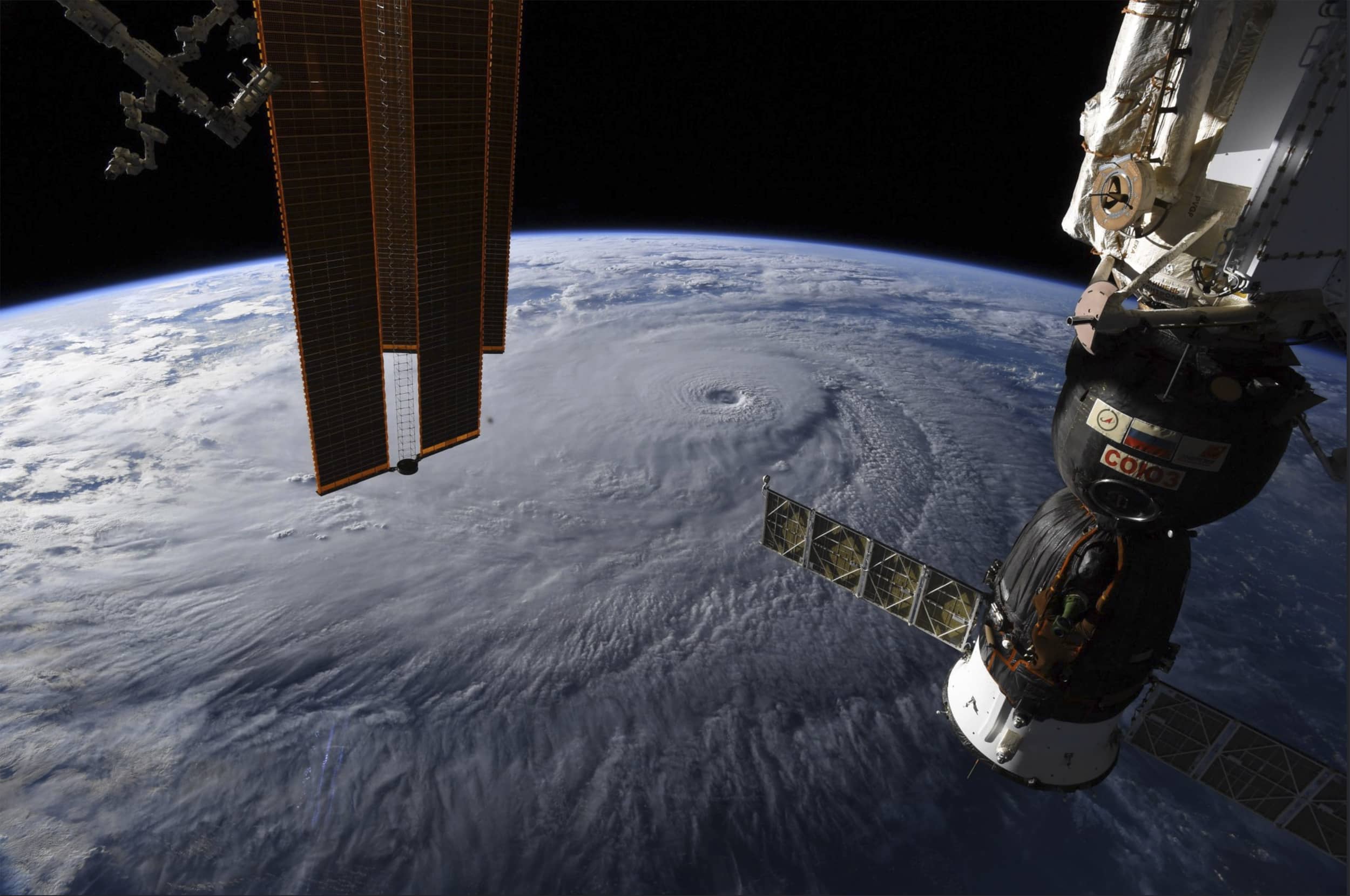
(AP) — Hawaiʻi and the Central Pacific basin should expect two to four hurricanes, tropical depressions or tropical storms this year, federal forecasters said Wednesday.
The annual National Oceanic and Atmospheric Administration outlook predicts there is a 60% chance of a below-average season. The Central Pacific region sees about four or five tropical cyclones on average annually.
Officials said below-average sea temperatures associated with La Nina east of Hawaiʻi where storms form factored into this year’s prediction.
“This year we are predicting less activity in the Central Pacific region compared to normal seasons,” said Matthew Rosencrans, NOAA’s lead seasonal hurricane forecaster at the Climate Prediction Center. “The ongoing La Nina is likely to cause strong vertical wind shear, making it more difficult for hurricanes to develop or move into the Central Pacific Ocean.”
La Nina is a natural cooling of parts of the equatorial Pacific that alters weather patterns around the globe. The opposite El Nino pattern creates above average ocean temperatures and has been present during some of the most active Pacific hurricane seasons, including in 2015 when there were 16 storms in the Central Pacific basin.
The La Nina pattern has been present for several years.
“In the last 50 years, we have only had two other times where we’ve had (La Nina) three years in a row,” said National Weather Service hydrologist Kevin Kodama. “So this is a fairly rare occurrence.”
Officials said that even with a slow hurricane season predicted, it only takes one storm to cause a disaster.
Chris Brenchley, director of NOAA’s Central Pacific Hurricane Center, said that people need to be prepared, regardless of the optimistic outlook.
“It only takes one wandering into the vicinity of the state to cause a tremendous amount of potential impact,” he said. “Hurricane Iniki, a major hurricane, directly hit Kauai 30 years ago this year, and those impacted still remember the incredible destructive power Iniki delivered.”
Iniki was the last major hurricane to hit the state when it made landfall on the island of Kauai in 1992. In 2018, the massive and powerful Hurricane Lane made a last-minute turn and narrowly spared Oahu, Hawaii’s most populous island.
Hurricane season in Hawaii lasts from June 1 until the end of November. August and September are historically active months.
There was only one named storm that entered the Central Pacific in 2021 and it did not make landfall or come close to Hawaii.
Officials also gave an update on Hawaii’s wet and dry seasons. Kodama said the winter wet season was the 12th driest in the last 30 years and that without a major storm that dumped most of the season’s rain in just a couple weeks, it would have been worse.
“It was a wild wet season to say the least, we had a lot of extremes,” Kodama said. In January, ”the tap turned off and stayed that way all the way through March.”
He said that going into the summer dry season Hawaii is expected to remain in severe to extreme drought conditions and that the state’s wildfire season could get an earlier than normal start. Climate change has increased drought conditions across the Western U.S. and in Hawaii.
© copyright 2022 Associated Press. All rights reserved
AP Photo